

Story analysis: A technical guide to reflection
Systematic review methods for speculative fiction writers.

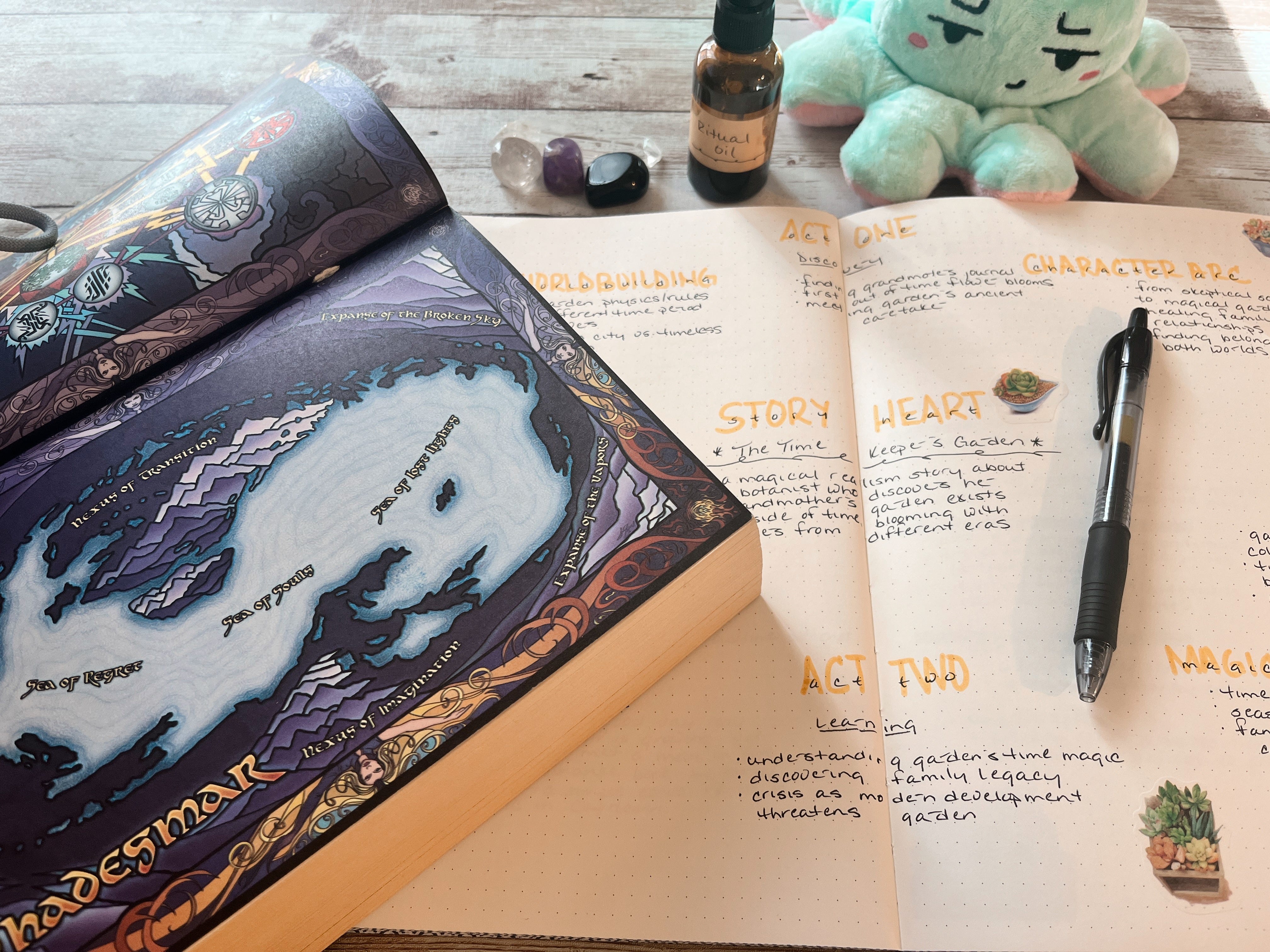
In the realm of speculative fiction, story analysis requires more than just general reflection. Beyond examining character arcs and plot points, we must evaluate complex magic systems, multilayered worlds and intricate supernatural elements. This technical guide offers a systematic approach to analyzing your speculative fiction work to help you transform intuitive understanding into actionable insights.
The Difference Between Analysis and Reflection
While reflection often focuses on the emotional journey of writing, story analysis takes a more systematic approach. Think of it like this: reflection is like taking in the entire vista of a magical landscape. Whereas analysis is about mapping each element, understanding how they interact and ensuring the world operates consistently within its own rules.
Here’s another example of reflection vs. analysis using Brandon Sanderson’s Mistborn series (one of my favorites). Reflection might explore how the ash-covered world creates a mood of oppression and despair. Analysis, however, would map out exactly how the ash falls, its effect on agriculture, how allomancers navigate through it and how it intersects with the magic system’s metals. One gives us feeling. The other gives us function.
Setting Up Your Analysis Framework
Creating Review Templates
Your analysis template should include:
Scene/Chapter Tracking Sheet
Character Development Grid
Worldbuilding Consistency Checklist
Magic System Interaction Log
Plot Point Progression Map
Establishing Evaluation Criteria
For each major story element, define specific metrics:
Plot Structure:
Scene purpose clarity (1-5 scale)
Conflict progression
Subplot integration
Resolution satisfaction
Character Development:
Motivation clarity
Power/ability progression
Relationship evolution
Arc completion
Worldbuilding:
Rule consistency
Cultural depth
Environmental logic
Technology/magic integration
Technical Elements Deep Dive
1. Plot Structure Analysis
Create a scene-by-scene breakdown including:
Primary conflict
New information revealed
Magic/technology used
World elements introduced
Character decisions made
Track how each scene advances:
Main plot
Character development
World understanding
Magic system revelation
For example, in a scene where your main character uses time manipulation for the first time, don’t simply track the revealing of the ability. Also track how it affects existing plot threads, whether it creates new conflicts and how it might impact future story events. A character learning they can rewind time by ten minutes needs to be documented for both its immediate impact and its implications for all future conflicts.
2. Magic System Coherence
Document:
Core rules and limitations
Power progression mechanics
System interactions
Consistency violations
Cost/consequence balance
For instance, in a story with elemental magic, document how fire magic interacts with water magic, what energy cost each spell requires and whether a fire conjurer (mage/witch/magician/etc.) can create flames from nothing or needs an existing source. These interactions and limitations will affect everything from individual scenes to major plot resolutions.
3. Worldbuilding Consistency
Audit your world elements:
Physical laws and exceptions
Cultural systems and conflicts
Historical impact on present
Environmental influences
Technological/magical integration
Consider how a floating city’s anti-gravity technology affects everything from waste management to agriculture. Or how a world with two suns would impact not just the environment but cultural development and religious beliefs. Every technological or magical element creates ripples throughout your entire world system.
Implementation Tools
Story Analysis Worksheet
A quick note about implementation: This framework can be adapted to your preferred writing style. Create a digital template in Google Docs for easy duplication across projects (use checkboxes for the technical elements and consistency check). Or dedicate a section in your writer’s journal/grimoire using a bullet journal collection format. The key is making it easily accessible for future reference during your analysis process. If using a journal/grimoire, don’t forget to index this collection for quick access during revision sessions.
Scene ID: [Chapter/Scene Number]
Purpose: [Primary Story Function]
Technical Elements:
Plot advancement
Character development
Worldbuilding
Magic system reveal
Consistency Check:
Magic rules followed
World logic maintained
Character motivations clear
Technology limitations respected
Integration Rating (1-5):
Plot integration
Character integration
World integration
Magic/Tech integration
Notes:
Potential inconsistencies:
Elements to develop:
Questions to address:
Progress Tracking System
Create a master document tracking:
Scene completion status
Character arc progression
World-building element introduction
Magic system revelation timeline
Technology implementation sequence
Practical Application
Step-by-Step Analysis Process
Complete initial full read-through of your story
Create story element inventory
Perform scene-by-scene analysis
Document inconsistencies
Develop revision strategy
Implement changes systematically
Verify fixes don’t create new issues
Common Pitfalls to Avoid
Introducing magic elements without prior foundation
Inconsistent power scaling
World rules that contradict each other
Technology that appears without context
Character abilities that exceed established limits
Let’s return to Mistborn as an example of avoiding these pitfalls. Notice how Sanderson introduces the basic eight metals and their powers early, then gradually reveals the existence of more metals and deeper implications. This careful scaling ensures that new abilities feel like discoveries rather than convenient solutions.
Action Steps for Implementation
1. Immediate Actions
Create your analysis templates
Set up tracking systems
Choose one scene for practice analysis
2. First Week Tasks:
Complete story element inventory
Analyze first three chapters
Document all magic system rules
3. Ongoing Practice:
Weekly consistency checks
Monthly system audits
Revision plan updates
Technical analysis doesn’t replace creative intuition — it supports it. By understanding the mechanical elements of your story, you free your creativity to work within consistent, believable boundaries.
Need Another Set of Eyes?
These tools can certainly help you analyze your own work. But maintaining objectivity with a story you’ve been deeply immersed in can be challenging. If you’d like a fresh perspective on your manuscript’s technical elements — from magic system coherence to worldbuilding consistency — I offer manuscript evaluations that can help identify both the strengths and potential pitfalls in your story’s framework.
Contact me via private message or send an email to info@thestorytemple.com to discuss how we can strengthen your story’s foundation together.
Next week in the Workshop: “Writing Assessment: A Data-Driven Guide” — Mining Story Data for Fantasy and Science Fiction Projects