

Minimum viable structure: Just enough Earth to stay oriented
Week 1 support for Novel November writers.

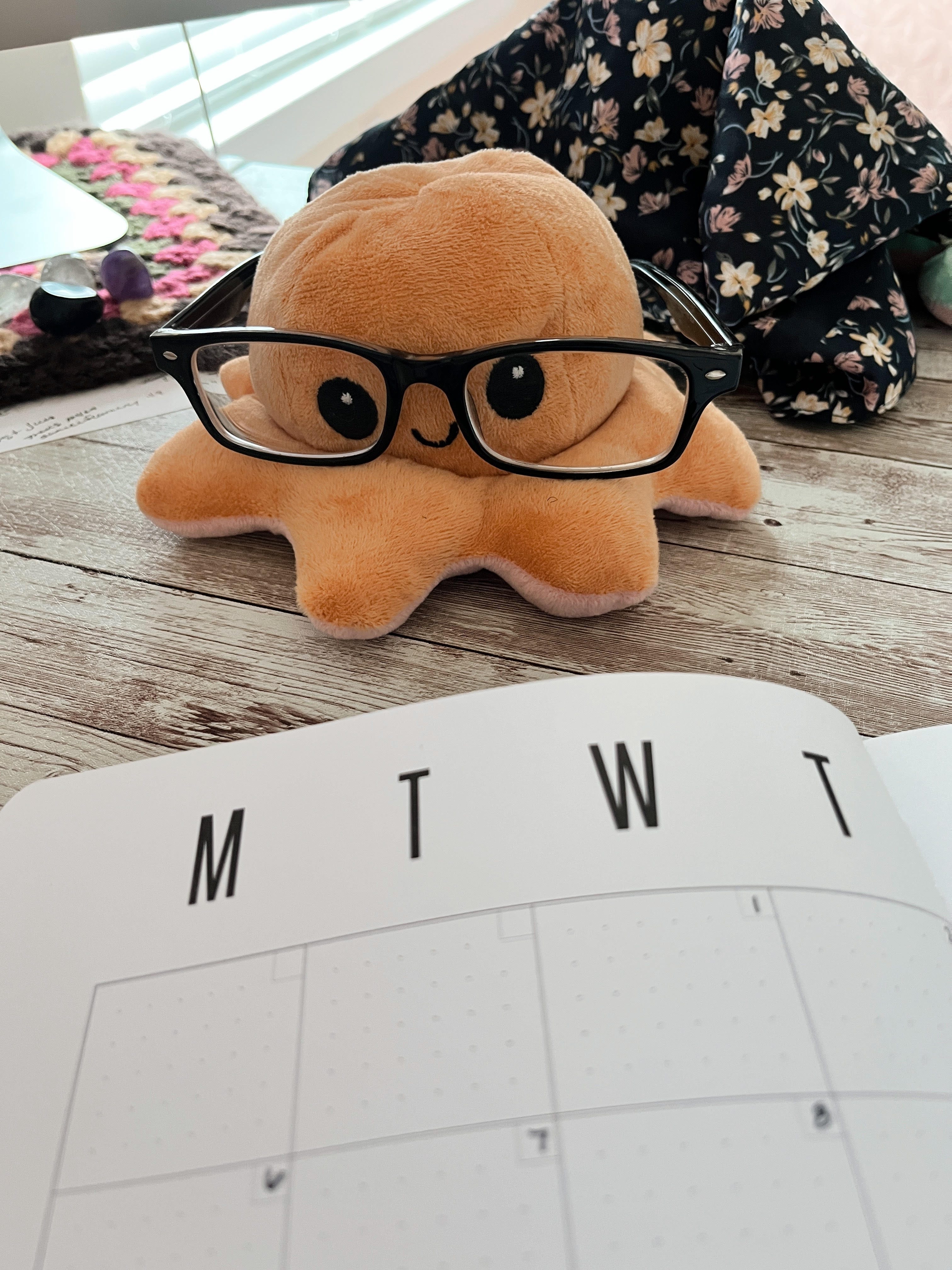
It’s Day 2 of Novel November and I already see what’s happening.
Some of you are panicking because you don’t have a detailed outline. Others are drowning in the 20-page outline you created during Preptober and now feel trapped by it. A few of you started writing and realized your careful plan doesn’t actually match what wants to emerge on the page.
Let me tell you what you actually need: minimum viable structure.
Not an elaborate plotting system. Not a rigid beat sheet. Not a scene-by-scene breakdown color-coded by subplot.
But just enough Earth element to stay oriented without getting lost.
What Minimum Viable Structure Actually Means
Stepping into queen of swords energy…
lmma be real with you: you only need to know three things to write a complete draft.
Where you’re starting. What’s your main character’s situation when the story opens? What’s their normal world before everything changes?
Where you’re ending. Not the specific events of your final scene, but the emotional place your main character lands. How are they different from who they were at the beginning?
2-3 major turning points. The moments that shift everything. The choices that can’t be unmade. The reveals that change the game. You don’t need to know every scene between these moments - just the destinations you’re writing toward.
That’s it. That’s minimum viable structure.
Everything else can emerge as you write. The smaller scenes, the transitional moments, the dialogue that reveals character, the descriptions that build the world — these don’t need to be planned. They need to be discovered.
Earth element’s real job isn’t to predetermine every choice. It’s to hold space for Air clarity, Fire momentum and Water connection to flow freely. Structure serves the story. It doesn’t control it.
For Pantsers: Your Minimum (Yes, You Still Need It)
I know. You’re a discovery writer. You find your story by writing it. Outlines feel like death to your creative spirit.
When fast drafting without any structure, you tend to get lost around 15k words. The initial excitement fades and you have no idea where you’re going. You start writing in circles. You lose days trying to figure out what comes next.
You don’t need an outline. But you do need these three things:
Your main character’s core desire. What do they want more than anything? Not their surface goal (solve the murder, win the competition, get the guy). Their deep need. The thing they don’t even know they’re seeking until they find it.
What’s blocking them. The internal wound or external force that stands between them and that desire. This doesn’t have to be complicated. It just has to matter.
1-2 destination scenes. The moments you can see clearly even if you don’t know how you’ll get there. The confrontation. The revelation. The choice. The loss. Write toward these and trust that the path will reveal itself.
Everything else? Let it emerge. Follow the characters where they want to go. Trust what wants to be written.
Your minimum viable structure is knowing just enough to not get completely lost while still having space to discover your story.
For Plotters: When Your Outline Lies to You
Maybe you spent October planning. Maybe you only learned about Novel November two days before it started and decided to jot down some quick and dirty notes. Either way, I’m writing this assuming that you at least know your inciting incident, your midpoint reversal, your dark night of the soul. You’re the person who has their outline open in a second window while you draft.
And then around scene eight, your main character does something you didn’t plan. Or a secondary character becomes more interesting than you expected. Or the plot point that seemed perfect in outline feels forced on the page.
Your outline is lying to you.
It wasn’t bad. It was merely a hypothesis about what this story might need, written before you actually met these characters on the page. Now you’re discovering who they really are and what they actually need.
Here’s what to do:
Let the story deviate. Follow where it wants to go, even when it contradicts your careful planning. Your outline served its purpose. It got you started and gave you enough structure to begin. But it’s not a contract. It’s a working document that changes as you learn what this story actually is.
When characters insist on a different choice than you plotted, listen. When a scene that was supposed to be simple becomes complex, let it. When subplots emerge that you didn’t plan, follow them.
You can always cut what doesn’t work in revision. But you can’t discover what you’ve forced yourself not to write.
Your minimum viable structure is knowing your outline well enough to orient yourself, but holding it loosely enough to adapt when the story asks you to.
The structure isn’t there to control the creative process. It’s there to support it.
Self-Care: Structural Support for Your Body
Your manuscript needs Earth element. So does your body.
You cannot sustain 30 days of intensive creative output if you’re not building foundation into your daily life. Structure isn’t only for your story. It’s for your sustainability.
Your writing schedule is Earth element for YOUR life.
Don’t just plan word count goals. Plan your actual days. When will you write? When will you eat real food? When will you move your body? When will you rest?
Build these in. They are not rewards for hitting word count goals. They are requirements for showing up day after day. You’re running a creative marathon, not a sprint. Marathoners don’t skip hydration and expect to finish strong.
Meal prep or have easy meals ready. I’m begging y’all: not ramen or fast food for 30 days. Your brain needs protein and whole foods to function. Your creative work will be better if you’re actually nourished. Cook a big batch of something on Sunday. Soups and stews can be portioned out and frozen. Make it easy to feed yourself well.
Sleep is not negotiable. Your brain works while you rest. It processes what you wrote, solves plot problems and prepares for tomorrow’s scenes while you sleep. Staying up until 2am to hit your word count then dragging yourself through the next day exhausted is not sustainable. You’ll write better words in less time if you’re actually rested.
One grounding practice before you write each day: Literally touch the earth. Bare feet on ground if possible. Feel the solid foundation beneath you. Take three slow breaths. Remind your body that you’re supported, that you have everything you need right now, that the structure is there to hold you.
Earth element doesn’t restrict you. It holds you steady so the magic can happen.
The Real Challenge Isn’t Word Count
50k words in 30 days is ambitious, yes. But it’s not actually the hard part.
The hard part is sustaining creative fire without burning out. The hard part is maintaining connection to your story when you’re tired. The hard part is trusting the process when week three hits and everything feels messy.
Minimum viable structure gives you just enough foundation to keep going without so much rigidity that you lose the joy of discovery.
You don’t need to know everything. You just need to know enough.
Know where you’re starting. Know where you’re ending. Know a few key moments in between. Trust that everything else will emerge when it’s time.
Structure serves you. You don’t serve structure.
Go get your writing done. I’ll see you next Sunday with support for week two.
What’s your natural writing style - pantser, plotter or somewhere in between? What structure challenges are you already noticing this week? Share in the comments.