


Let’s talk about what many writers get wrong about structure.
You think structure is your outline. The three-act framework you’re trying to force your novel into. The five-paragraph essay template from high school. The scene-by-scene breakdown you spent weeks creating before writing a single word.
You think craft is grammar rules. Showing versus telling. Killing your darlings. Making sure every sentence is technically perfect before moving to the next one.
And because you think these things, you’re either over-structuring yourself into paralysis or under-structuring yourself into chaos. You’re either perfecting sentences that don’t serve your vision or writing messy drafts with no foundation to hold them.
This is precisely where my teaching differs from traditional writing advice. Structure isn’t a template you impose. It’s an architecture that emerges from your specific content.
Craft isn’t a list of rules to follow. It’s technical mastery that becomes invisible so your vision, transformation and emotion can reach readers without obstruction.
The Earth element isn’t about forcing your work into predetermined shapes or obsessing over grammar while ignoring whether your foundation actually holds. It’s about building the solid ground that makes everything else accessible.
For the past three months, you’ve been developing Air (vision and purpose), Fire (transformation and momentum) and Water (emotion and connection). None of that matters if readers can’t actually access it because your structure confuses them or your writing craft creates constant speed bumps that jolt them out of the experience.
Earth element problems aren’t solved by following more rules or using better templates.
They’re solved by understanding what structure your specific work actually needs, then building that architecture with technical precision that serves rather than constrains.
Let me show you what Earth actually is — and why everything you’ve been taught about structure and craft is probably working against you.
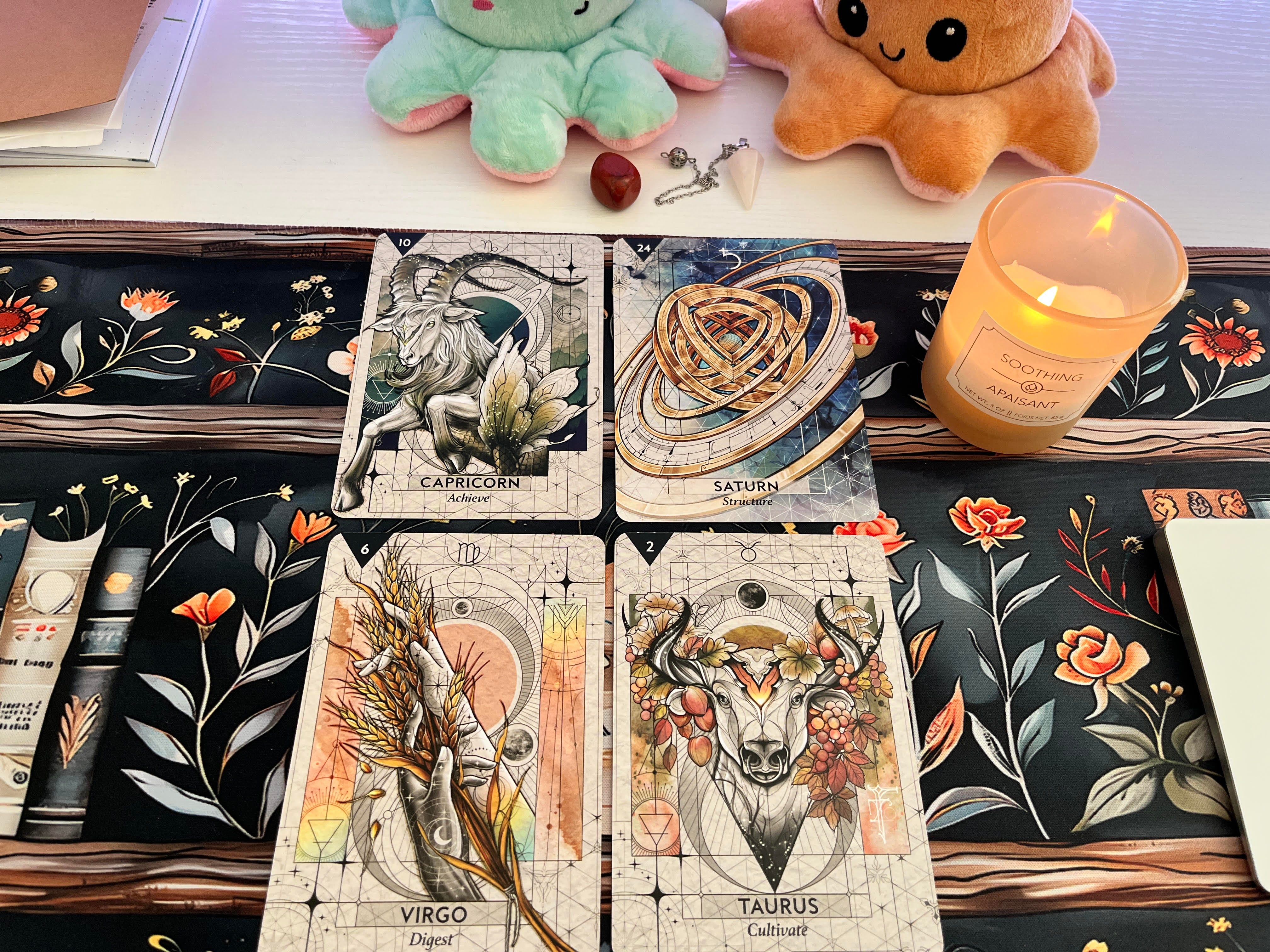
What Earth Element Actually Is
Earth is the element of structure, technical mastery and craft foundation in your writing. But not in the way you’ve been taught to think about these things.
Earth isn’t the outline you create before writing. It’s the architecture that emerges as you discover what your work is actually about (Air), what needs to transform (Fire) and what readers need to feel (Water).
Earth isn’t grammar rules and craft formulas. It’s the technical precision that allows your vision to land, your transformation to flow and your emotion to reach readers without distraction.
Before getting a paralegal degree, I studied interior design, and I adore architecture. With that in mind, think of Earth as the difference between a building designed by an architect who understands how the space will actually be used versus a building designed by someone following a generic blueprint. Both might be structurally sound, but only one serves the people who’ll inhabit it.
Side note: I studied interior design, NOT interior decorating. They are two completely different things. Interior decorating focuses primarily on aesthetics - making spaces look pretty. Interior design focuses on how a space will be used - how people move through it, what they need from it, how form serves function. Your writing structure works the same way: it’s not about making your manuscript look like other books (decoration), it’s about building architecture that serves how readers will actually experience your specific content (design).
Core Earth qualities:
Structural integrity that supports your specific content
Technical precision that prevents distraction
Clear organization that guides without constraining
Craft mastery that disappears so content shines
Foundation that holds all other elements in harmony
Here’s what Earth is NOT:
Following templates because that’s “how it’s done”
Perfecting every sentence before moving forward
Rigid adherence to rules that don’t serve your work
Structure for structure’s sake
Craft that calls attention to itself
When Earth flows strong through your writing, readers don’t notice your structure; they experience seamless movement from beginning to end. They don’t stumble over technical issues; they stay immersed in your vision, transformation and emotion.
This is the energy readers feel when they say things like:
“I couldn’t put it down; I gobbled it up.”
“I forgot I was reading and just experienced the story.”
Here’s what makes Earth tricky: it’s the most misunderstood of all the elements. Writers either obsess over it (endless outlining, perfectionism, rule-following) or ignore it completely (messy drafts with no foundation, technical issues that undermine great ideas).
Neither extreme works.
Strong Earth means building the specific architecture your work needs, then executing it with technical precision that serves your content rather than fighting it.
Weak Earth, on the other hand, creates writing that either feels forced into shapes that don’t fit or falls apart because there’s no solid ground holding it together.
The most common misconception about Earth is thinking it means your writing needs to be “perfect” or follow established formulas. That’s not it at all.
Earth can support experimental structure just as powerfully as traditional narrative. It can hold fragmented memoir as effectively as chronological biography. It can ground unconventional arguments as solidly as academic essays.
Earth isn’t about the form you choose. It’s about building whatever form you choose with integrity and precision.
Earth asks the essential questions: What architecture does this specific work need? What technical choices will help readers access my vision without obstruction? How do I build foundation that supports rather than constrains?
When you can answer those questions — and execute accordingly — Earth flows through every structural choice, every sentence, every transition.
And that’s when your writing stops being just well-crafted and becomes structurally sound in a way that makes everything else possible.
The Earth Element Framework: 4 Components
Here’s how Earth element works through four core components. Understanding these will help you diagnose where your foundation is solid and where it needs strengthening.
1. Structural Integrity: How the foundation holds
This is your work’s architecture: the organizing principle that determines how everything fits together.
What it governs:
The framework that holds your content
How sections/chapters relate to each other
Why breaks happen where they do
The logic behind your organization
Fiction applications: Story structure that fits your specific narrative (not just three acts because that’s “the rule”). Chapter architecture that serves pacing and revelation. Scene sequencing that builds the way your story needs to build. Subplot integration that enhances rather than distracts.
Nonfiction applications: Argument structure that matches your specific thesis. Information architecture that guides readers through complexity. Section organization that serves understanding. Evidence placement that builds conviction.
2. Technical Precision: The craft that disappears
This is sentence-level execution: the technical mastery that allows content to flow without distraction.
What it governs:
Sentence clarity and variety
Grammar and mechanics that serve (not constrain)
Paragraph flow and transitions
Professional polish
Fiction applications: Prose that matches your story’s energy. Dialogue that sounds like actual speech. Description that creates immersion without slowing momentum. Varied sentence structure that prevents monotony.
Nonfiction applications: Clear, direct sentences that convey complex ideas. Transitions that guide without announcing themselves. Technical accuracy that builds credibility. Polish that respects readers’ intelligence.
3. Organizational Clarity: Guiding the reader
This is how you orient readers so they can navigate your work without confusion.
What it governs:
Logical progression from point to point
Transitions between sections
Reader orientation (knowing where they are)
Information sequencing
Fiction applications: Clear timeline even in non-linear narratives. POV shifts that don’t confuse. Flashbacks that enhance rather than muddy. Scene-to-scene connections that maintain flow.
Nonfiction applications: Argument progression that builds logically. Topic transitions that maintain thread. Clear signposting without being heavy-handed. Examples placed where they illuminate rather than interrupt. My interior design vs interior decorating note is an example of this.
4. Craft Integration: Making it all work together
This is how Earth serves the other three elements, ensuring structure and craft enhance rather than constrain your vision, transformation and emotion.
What it governs:
Structure serving Air (vision/purpose)
Craft supporting Fire (transformation)
Organization carrying Water (emotion)
All elements working in harmony
Fiction applications: Structure that serves your theme. Pacing that supports transformation arcs. Prose rhythm that matches emotional intensity. Technical choices that enhance character voice.
Nonfiction applications: Form following function. Structure supporting your specific argument. Craft choices that build credibility. Organization that serves reader transformation.
How These Components Work Together
Notice how all four Earth components are interconnected:
Structural Integrity provides the foundation for everything else. Without solid architecture, technical precision has nothing to support and organizational clarity has no framework to work within.
Technical Precision ensures the foundation is accessible. Even brilliant structure fails if sentence-level craft creates constant speed bumps that prevent readers from experiencing it.
Organizational Clarity guides readers through the structure. You can have solid architecture and clean prose, but if readers can’t follow the path, they’ll still get lost.
Craft Integration ensures Earth serves the other elements. This is what prevents Earth from becoming rigid structure or empty perfection. It keeps craft connected to vision, transformation and emotion.
When Earth flows weak in your writing, it’s usually because one or more of these components isn’t working. And weakness in one area often undermines the others — poor structure makes organization impossible, technical issues distract from solid architecture and lack of integration means craft works against content.
Strong Earth means all four components working in harmony to create the solid ground that makes your vision accessible, your transformation powerful and your emotion resonant.
Common Earth Problems
When Earth element is weak, it shows up in predictable patterns. Here are the five issues I see most often in manuscripts - and what they reveal about which Earth component needs work.
1. The structure doesn’t work
What it looks like: Readers get lost in your work. They can’t follow your argument or timeline. The organization feels wrong but you can’t figure out why.
The Earth issue: Weak structural integrity. You’re either forcing content into a template that doesn’t fit or you haven’t built intentional architecture at all.
2. Technical errors undermine the writing
What it looks like: Good ideas buried under sentence-level problems. Readers stumble over awkward phrasing, grammatical issues or unclear prose.
The Earth issue: Missing technical precision. Craft problems create speed bumps that prevent readers from accessing your vision, transformation and emotion.
3. Readers can’t follow what’s happening
What it looks like: Timeline confusion in fiction. Argument threads getting lost in nonfiction. Readers having to reread to figure out basic information.
The Earth issue: Poor organizational clarity. Even if your structure is solid, readers can’t navigate it because transitions are missing or sequencing is unclear.
4. It feels forced/formulaic or chaotic/messy
What it looks like: Either rigid adherence to templates that constrain your content or complete lack of structure that leaves readers adrift.
The Earth issue: Failed craft integration. Earth isn’t serving the other elements — it’s either strangling them with rules or abandoning them without foundation. This particular issue is one that can be felt in the body. If it felt forced when writing it, that energy will transfer to the reader when reading it.
5. The craft feels intrusive
What it looks like: Beautiful sentences that call attention to themselves. Structure that’s technically perfect but feels lifeless. Readers noticing your technique instead of experiencing your content.
The Earth issue: Craft that hasn’t learned to disappear. Earth working against accessibility rather than serving it.
The Earth Element Diagnosis: 4 Essential Questions
These four questions will help you identify where your Earth element needs attention.
Question 1: Does your structure serve your content or constrain it?
This isn’t about whether you have structure. It’s about whether the structure you have fits your specific work.
Ask yourself:
Did you choose this structure because it serves your content, or because you thought you “should”?
Does your architecture emerge from what your work is actually about, or are you forcing content into a predetermined shape?
When you try to follow your structure, does it guide you or fight you?
Question 2: Where do technical issues distract readers?
Not whether your craft is perfect, but where craft problems create speed bumps that pull readers out of the experience.
Ask yourself:
Where do beta readers stumble or have to reread?
What sentence-level issues keep recurring in your work?
Are you perfecting craft at the expense of forward momentum, or ignoring craft issues that undermine your content?
Question 3: Can readers follow your logic/story easily?
This is about navigation — whether readers can track what’s happening and how pieces connect.
Ask yourself:
Do readers get confused about timeline, argument progression or how sections relate?
Are your transitions clear or do they jolt readers between sections?
Can someone follow your work on first read, or do they need to reread to understand basic progression?
Question 4: Does your craft enhance or obscure your meaning?
This is the integration question — whether Earth serves Air, Fire and Water, or works against them.
Ask yourself:
Does your structure support your vision or fight it?
Do your craft choices enhance transformation and emotion, or create distance?
Are you using Earth to make the other elements accessible, or are you so focused on structure/craft that you’ve lost sight of vision, transformation and feeling?
Earth’s Relationship to Other Elements
Earth is the element that makes everything else accessible. It’s the foundation that allows readers to actually experience your vision, transformation and emotion.
Air provides Earth’s blueprint
Clear vision and purpose determine what structure you actually need. Without strong Air, you’re building architecture with no understanding of what it needs to hold or how it will be used.
Your conceptual clarity (Air) reveals your natural structure (Earth). The way you think about your content shows you how to organize it. Earth serves Air by making vision accessible.
Fire provides Earth’s energy
Transformation patterns determine pacing, progression and how structure needs to build. Without strong Fire, Earth becomes static organization without momentum.
Your transformation arcs (Fire) show you where structure needs to escalate, where it needs breathing room, where it needs to build tension. Earth serves Fire by supporting transformation through intentional pacing and architectural choices.
Water provides Earth’s purpose
Emotional truth determines what craft choices will land, what rhythm serves feeling, where structure needs to slow down or speed up. Without strong Water, Earth becomes empty technique.
Your emotional resonance (Water) guides your sentence rhythm, your structural pacing, your transition choices. Earth serves Water by creating the vessel that carries feeling without constraining it.
Earth makes everything accessible
Vision without structure is inaccessible abstraction. Transformation without craft support is unrealized potential. Emotion without foundation dissipates before reaching readers.
Earth provides the solid ground that allows Air, Fire and Water to reach readers with full power. Structure that serves vision. Technical precision that supports transformation. Organization that carries emotion.
When Earth flows strong, it energizes all other elements by making them accessible, turning compelling ideas into transformative reading experiences.
Assignment for EWM 401
Apply the 4 diagnosis questions to your current project
Identify which Earth component needs the most work (structural integrity, technical precision, organizational clarity or craft integration)
Choose one section where structural confusion or technical issues prevent readers from accessing your content
When completing this assignment, be honest about whether you’re over-structuring (forcing templates that don’t fit) or under-structuring (lacking intentional architecture). Most writers fall into one extreme or the other.
Earth element improvements create the foundation that makes everything else possible. Strong structure allows vision to shine. Technical mastery lets transformation flow. Clear organization ensures emotion reaches readers without obstruction.
H4: Need Help with the Assignment?
This exploration of Earth gives you the diagnostic tools to recognize when your structure serves versus constrains, when your craft enhances versus obscures. If you want to move beyond recognition into mastery, the Deep Dive (EWM 401 Lab) goes deeper into implementation.
In the lab session, you’ll get:
The complete Structural Integrity Framework with three levels of architecture building
Specific techniques for discovering your work’s natural structure
Advanced methods for craft integration that serves all elements
How to test whether your structure is working or fighting your content
Understanding Earth framework is only the beginning. Applying it to build architecture that serves your specific work is where mastery happens.
The Foundation for Everything
We’ve reached the end of The Elemental Writing Mysteries public lecture series. I had no idea Spirit was going to channel this through me, but here we are.
Over the past four months, you’ve learned how Air, Fire, Water and Earth work together to create writing that transforms readers:
Air gave you vision and purpose: the “what” and “why” behind your work
Fire gave you transformation and momentum: the change that compels readers forward
Water gave you emotion and connection: the feeling that makes readers care
Earth gives you structure and craft: the foundation that makes it all accessible
This is more than mere theory. This is a complete framework for diagnosing why your writing isn’t landing and how to fix it. You now have the tools to assess your writing and identify which elemental energy needs strengthening.
Traditional writing education gives you craft rules and template structures. The Elemental Writing Mysteries gives you something deeper: understanding of the natural forces that make writing actually work.
You can follow every rule, use every template and still create writing that doesn’t transform readers. Or you can understand how these four elements flow through all compelling writing and build work that resonates at the deepest level.
The choice is yours.
The mysteries don’t end here. They deepen.
December is for rest and integration — taking everything you’ve learned and letting it settle. Then the real work begins: applying this framework to every piece you write, developing mastery through practice, learning to work with these elements in increasingly sophisticated ways.
The fall 2025 semester is complete. The deeper mysteries await in 2026.
This completes The Elemental Writing Mysteries foundation series.